


The Root Causes of Hair Loss: A Comprehensive Guide from Genetics to Lifestyle
Our hair is more than just a physical attribute; it is a significant part of our identity and self-confidence. While losing 50 to 100 strands a day is considered dermatologically “normal,” noticing a receding hairline, widening part, or sudden thinning can be alarming. It is often the body’s way of signaling an underlying issue.
While the market is flooded with shampoos, serums, and vitamins claiming to prevent shedding, hair transplantation remains the gold standard for a permanent and aesthetically satisfying result. However, before seeking a solution, understanding the cause is vital.
Here is an in-depth look at the physiological, genetic, and environmental factors behind hair loss.
1. Genetic Predisposition: Androgenetic Alopecia
The most prevalent cause of hair loss worldwide is a hereditary condition known in medical literature as Androgenetic Alopecia. Commonly referred to as “Male Pattern Baldness” or “Female Pattern Hair Loss,” this condition is written into your DNA.
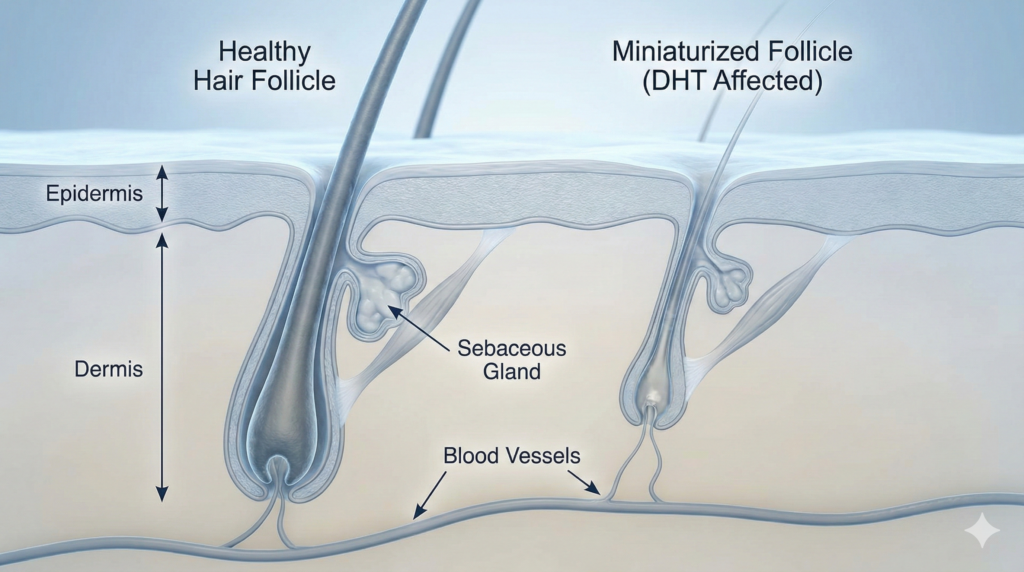
- The Mechanism: If you have a family history of balding, your hair follicles may be genetically sensitive to a hormone called Dihydrotestosterone (DHT). Over time, DHT triggers a process called “miniaturization,” where the hair follicles shrink, produce thinner strands, and eventually stop growing hair altogether.
- The Solution: Since this is genetic, lifestyle changes cannot fully stop it. In advanced stages, hair transplantation—relocating DHT-resistant follicles from the back of the head to the thinning areas—is the only effective way to restore density.
2. Hormonal Fluctuations and Imbalances
Hormones act as the body’s chemical messengers, and any disruption in their balance can directly impact the hair growth cycle. While some hormonal hair loss is temporary, other forms require medical attention.
- Pregnancy and Childbirth: During pregnancy, high estrogen levels keep hair in the growth phase, making it look thick and lush. However, after childbirth, hormone levels drop rapidly, triggering a massive shedding phase known as postpartum alopecia. This is usually temporary.
- Menopause: As estrogen and progesterone levels decline during menopause, hair may become thinner and grow more slowly.
- Thyroid Disorders: Both an underactive thyroid (hypothyroidism) and an overactive thyroid (hyperthyroidism) can disrupt hair production. Thyroid-related hair loss typically resolves once the underlying condition is treated.
3. Medical Conditions and Autoimmune Diseases
Sometimes, hair loss is a symptom of a specific medical condition rather than a natural aging process.
- Alopecia Areata: This is an autoimmune disease where the body’s immune system mistakenly attacks its own hair follicles. It typically manifests as sudden, smooth, coin-sized bald patches on the scalp.
- Scalp Infections: Conditions like ringworm (tinea capitis) can invade the hair and skin of your scalp, leading to scaly patches and broken hair. Once the infection is treated with antifungal medication, the hair usually grows back.
4. Medications and Treatments
Hair cells are some of the fastest-growing cells in the body. Unfortunately, drugs designed to target other rapid-growth cells (like cancer cells) or treat chronic conditions can inadvertently damage hair follicles.
- Common Culprits: Medications used for cancer (chemotherapy), high blood pressure, arthritis, depression, and heart problems are known to list hair loss as a potential side effect. In most cases, this type of shedding is reversible once the medication is stopped or the dosage is adjusted by a doctor.
5. Physical or Emotional Trauma (Telogen Effluvium)
The mind and body are deeply connected. A severe shock can push hair follicles prematurely from the growth phase (anagen) into the resting phase (telogen). This condition is called Telogen Effluvium.
- Triggers: The death of a loved one, severe emotional distress, a high fever, surgery, or rapid/excessive weight loss.
- The Delay: Unlike other types of hair loss, stress-related shedding doesn’t happen immediately. It usually becomes noticeable 2 to 3 months after the stressful event. The good news is that this condition is almost always temporary, and hair recovers as the body heals.
6. Nutritional Deficiencies
Your hair is metabolically active and requires a steady supply of nutrients to grow. If your diet is lacking, your body will prioritize vital organs (like the heart and brain) over non-essential tissues like hair.
- Protein Deficiency: Hair is made primarily of a protein called keratin. A low-protein diet can force the hair into a resting phase to conserve protein for the body.
- Iron Deficiency: One of the most common causes of hair loss in women is anemia (iron deficiency). Iron is essential for carrying oxygen to hair follicles; without it, hair becomes weak and falls out.
Conclusion: Taking the Next Step
Understanding why you are losing your hair is the first step toward regaining it. While nutritional and hormonal issues can often be treated medically, genetic hair loss requires a more permanent approach.
If you are tired of temporary solutions and want to see a lasting change in the mirror, modern hair restoration techniques offer natural, dense, and undetectable results.
Don’t let hair loss define your age or your look. Contact us today for a free consultation to determine the true cause of your hair loss and discover the best treatment plan for you.